Your AI designer. Knows your brand. Works your way.
We set up an AI agent that works like a second designer on your team. It learns your brand, ships real work, and builds what it designs too. Someone on your team still approves everything before it goes live.
It already works inside Slack, right where your team talks.
Everyone uses AI. It's usually generic.
Most companies already use AI somewhere in the business. Way fewer have an agent that designs like their brand, well enough to ship without redoing it first. If any of this feels familiar, you already know the gap:
It just looks cheap.
Flat hierarchy, wrong fonts, off colors.

The images never match each other.
Every one looks like it came from somewhere else.

You redo it anyway.
Work you can't fully trust, so someone fixes it after.

Your brand looks different everywhere.
And somehow, it's nobody's job to fix.
of US consumers say AI-generated content has made brand content worse to them. The tools aren't the problem. Using them without your brand's rules is.
One agent. Everything your brand touches.
It starts as your designer. Once it knows your brand, it works everywhere your brand actually shows up, and where it makes sense, it builds what it designs too.
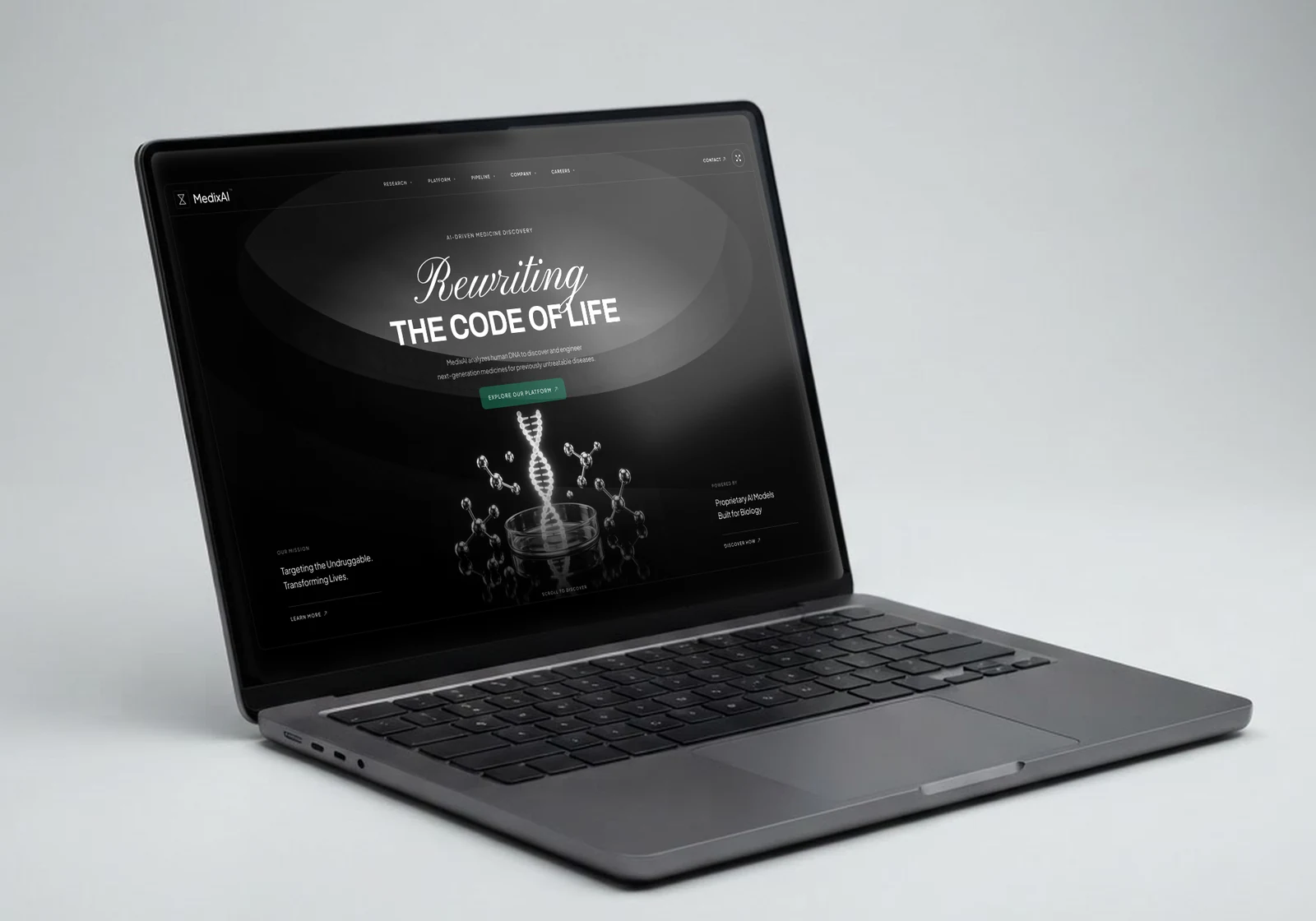
Websites and landing pages
Designed and built in Webflow, or wherever you already build.
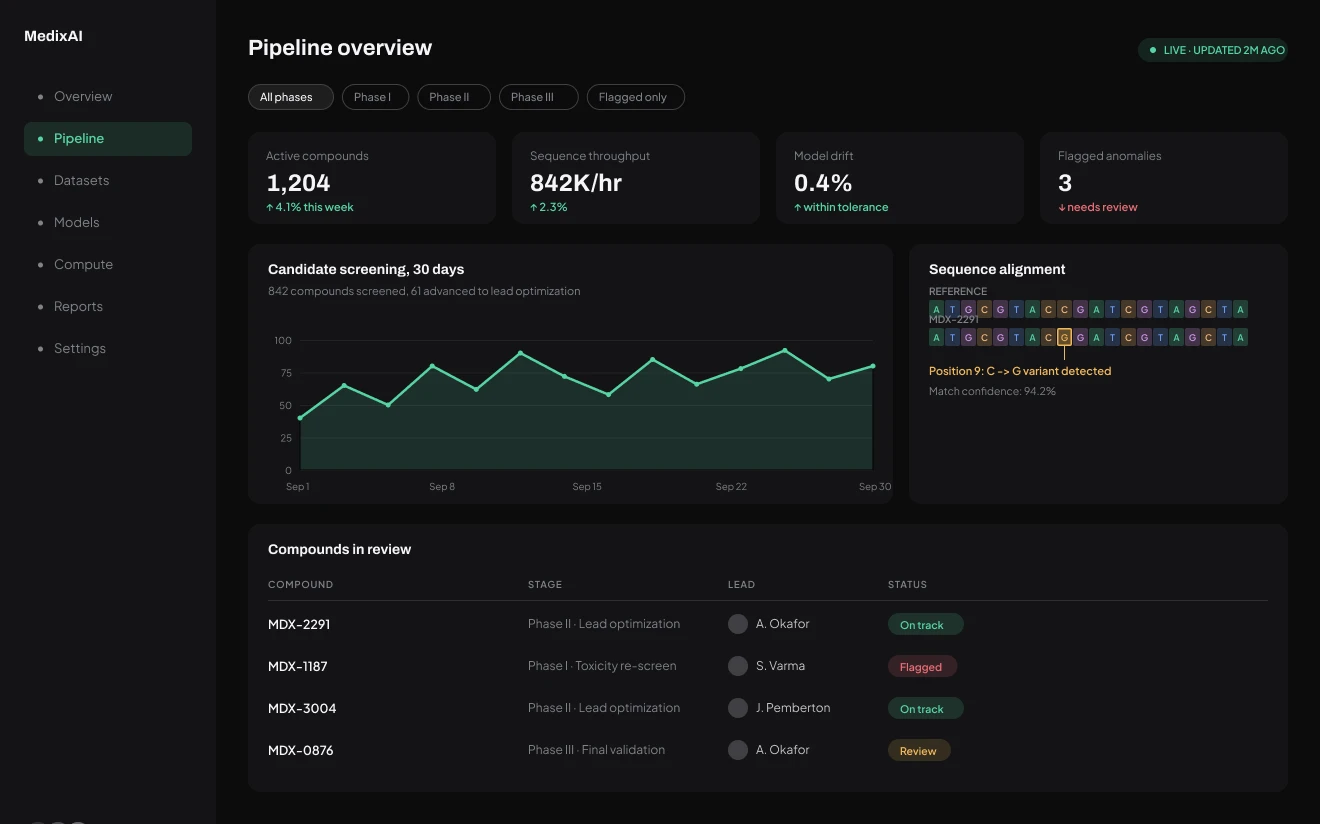
Product screens
Designed inside the design system you already have.
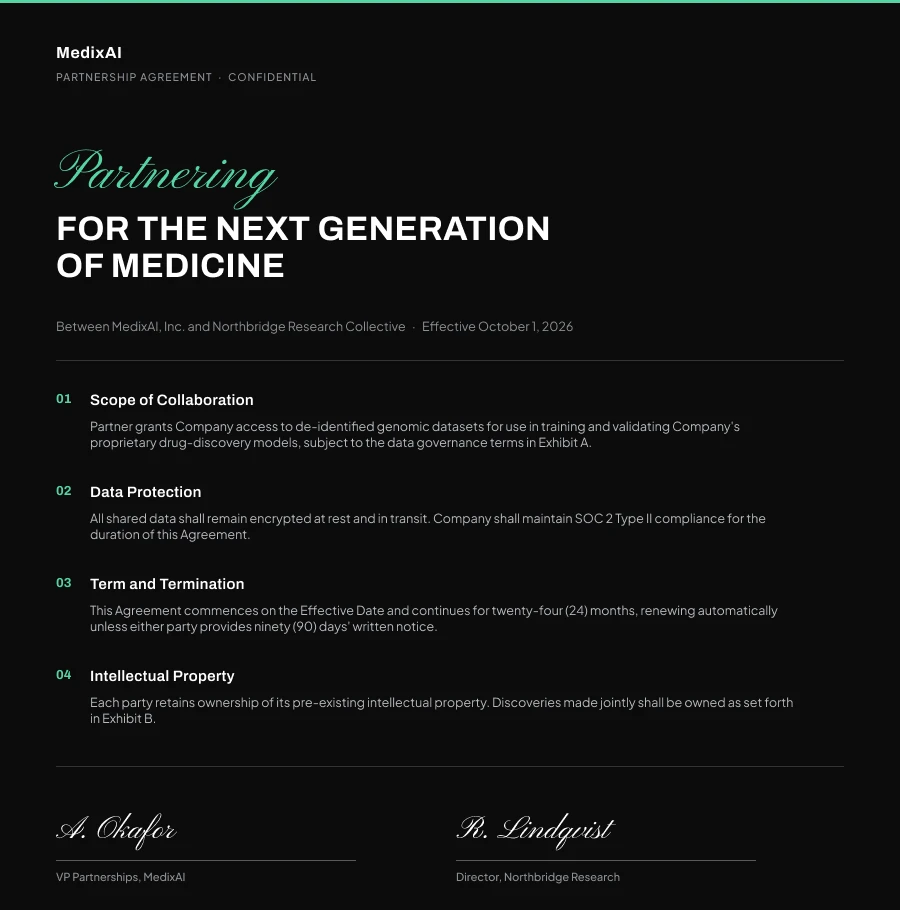
Documents and decks
Made to look like you, not like a template.
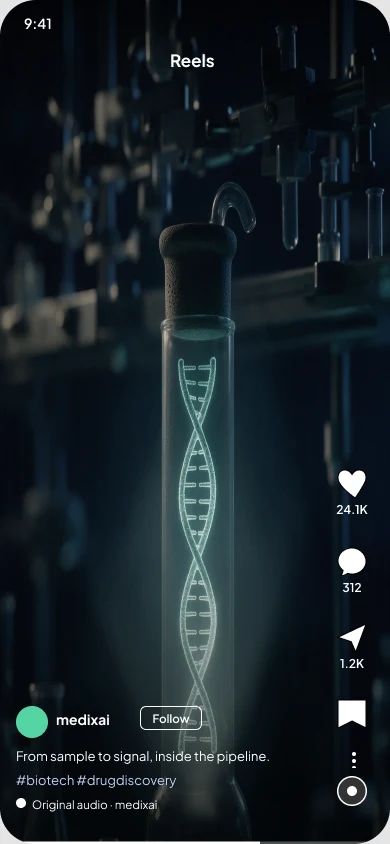
Images, ads and short video
Each one made with whichever tool actually fits, in your style.
Works from your rules. Not a PDF.
It follows your brand rules, not a PDF you uploaded once, and picks the right AI tool for every image and short video, in your style.
Same company, same brief. Left is what a generic AI makes. Right is what an AI that actually knows the company makes. Drag to compare.
It works in Slack. Not another tab.
It sits in Slack like a teammate: you ask for something in a channel, and it comes back with real files, built on your brand's rules, ready for your approval.
-
D
@Sol, summer drop goes live Thursday. Need the site hero, can art, a billboard and the launch carousel.
-
S
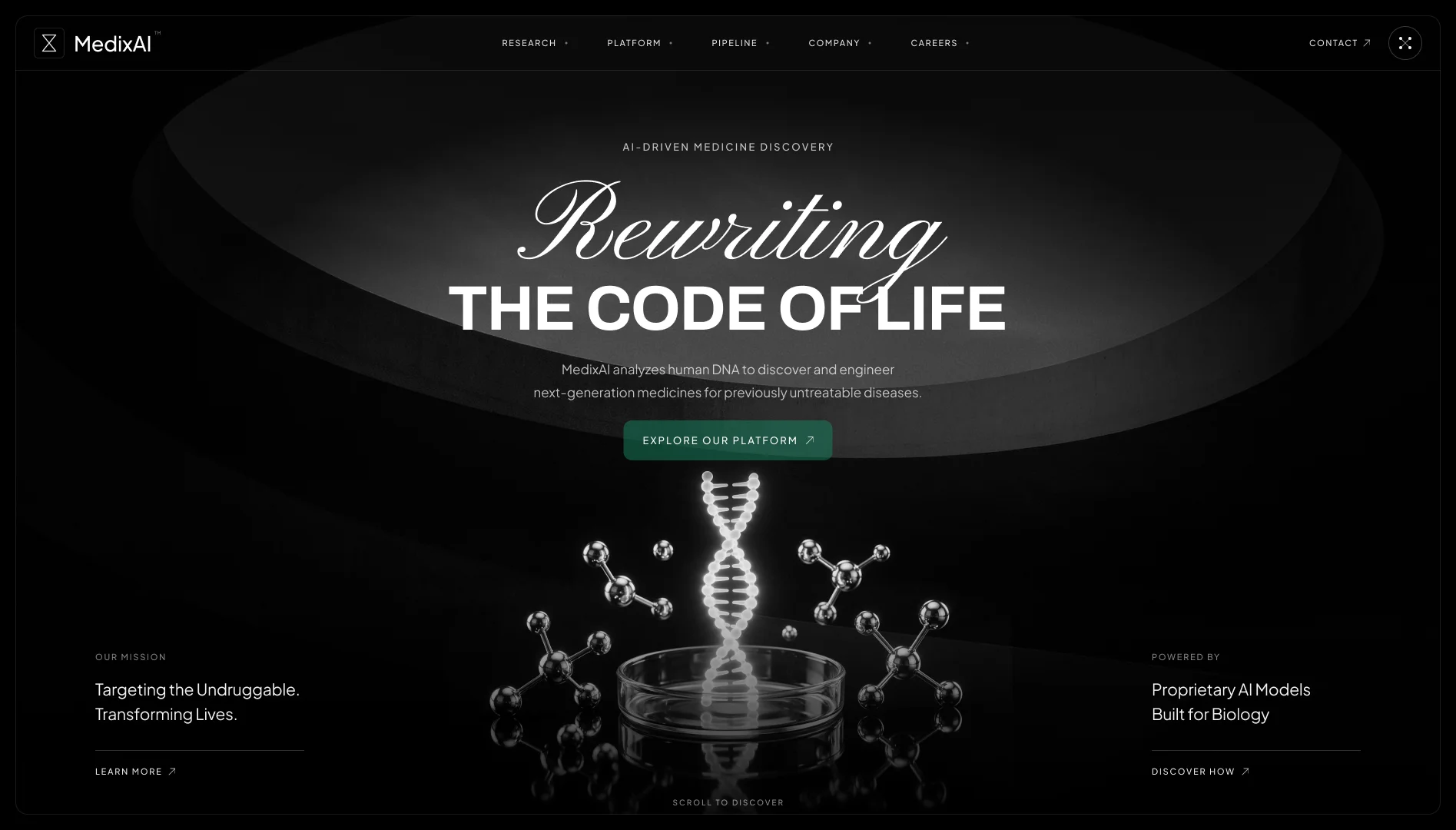
First pass is ready, all on Fizzlo's colours.
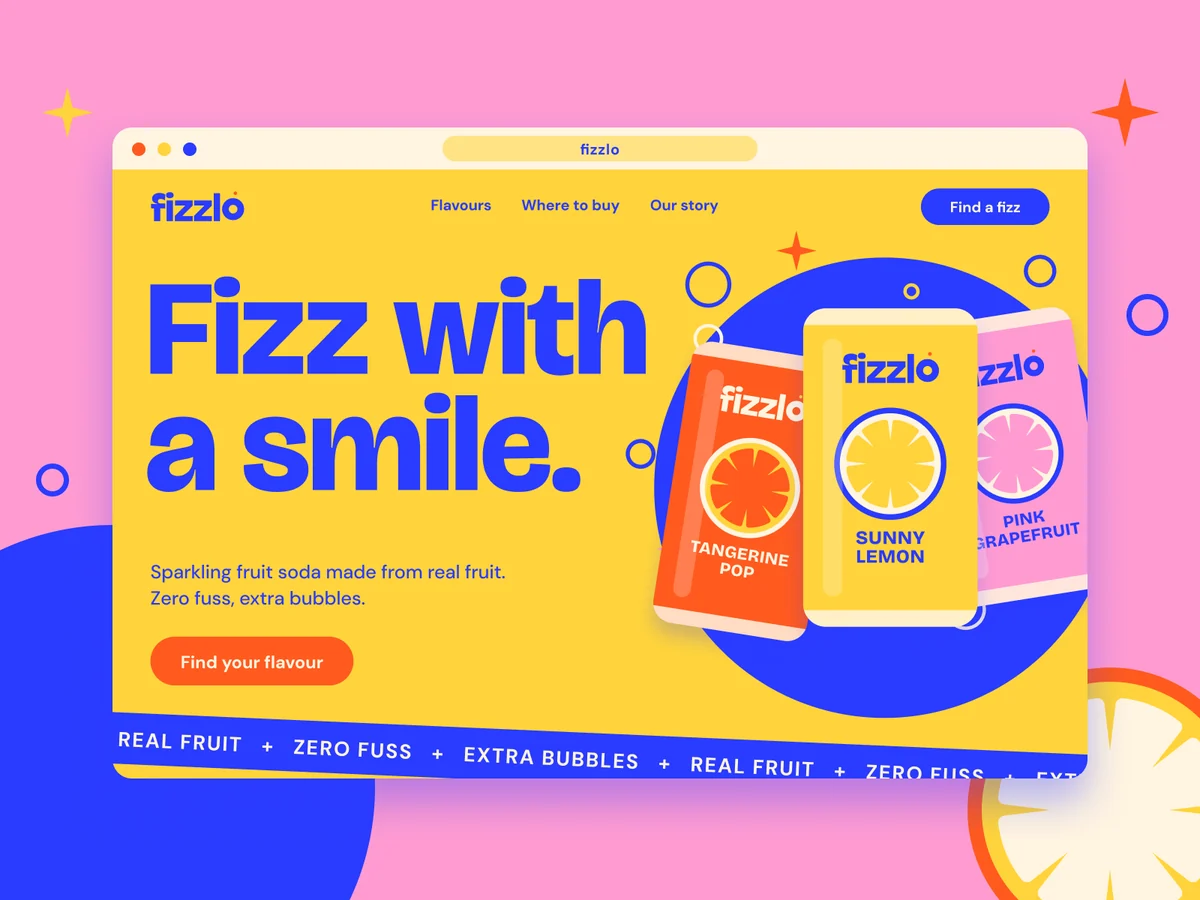
site-hero.fig 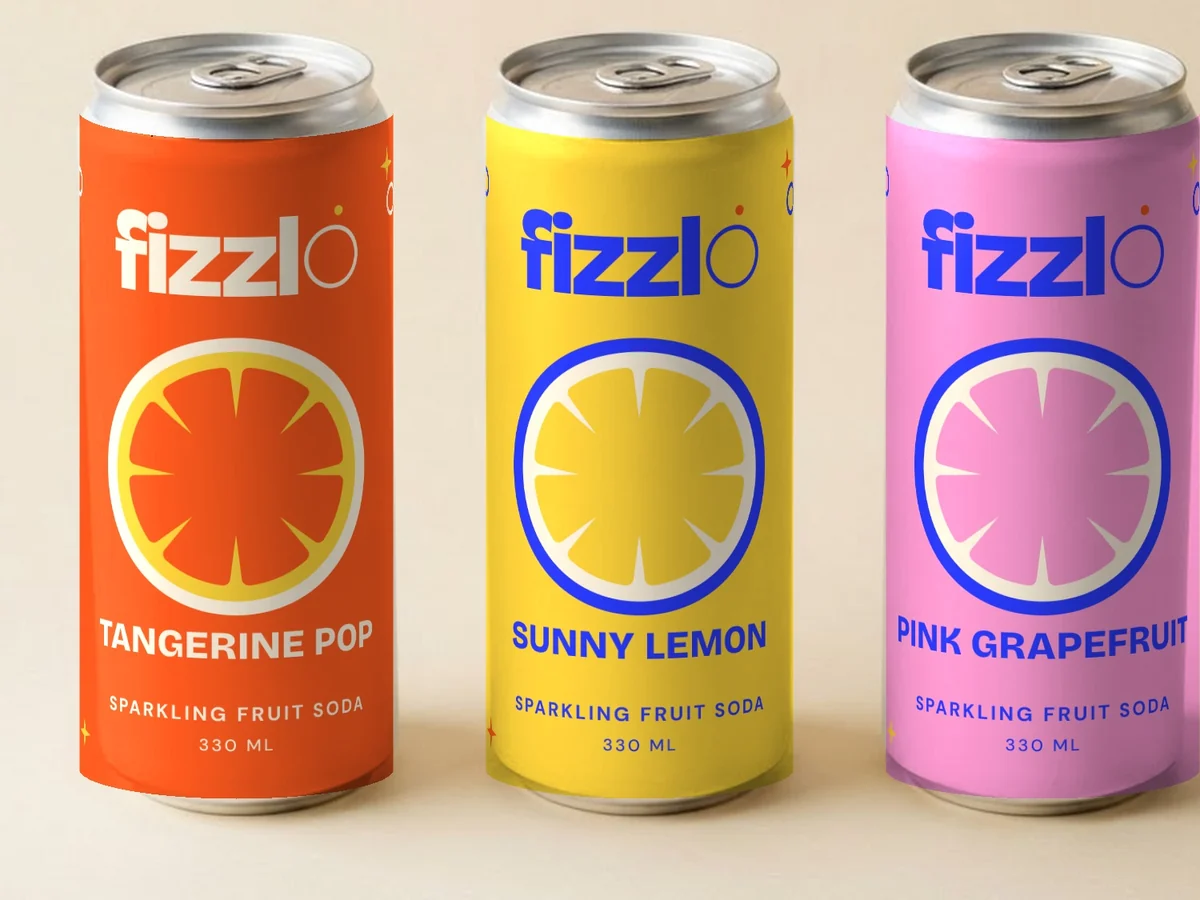
cans.pdf 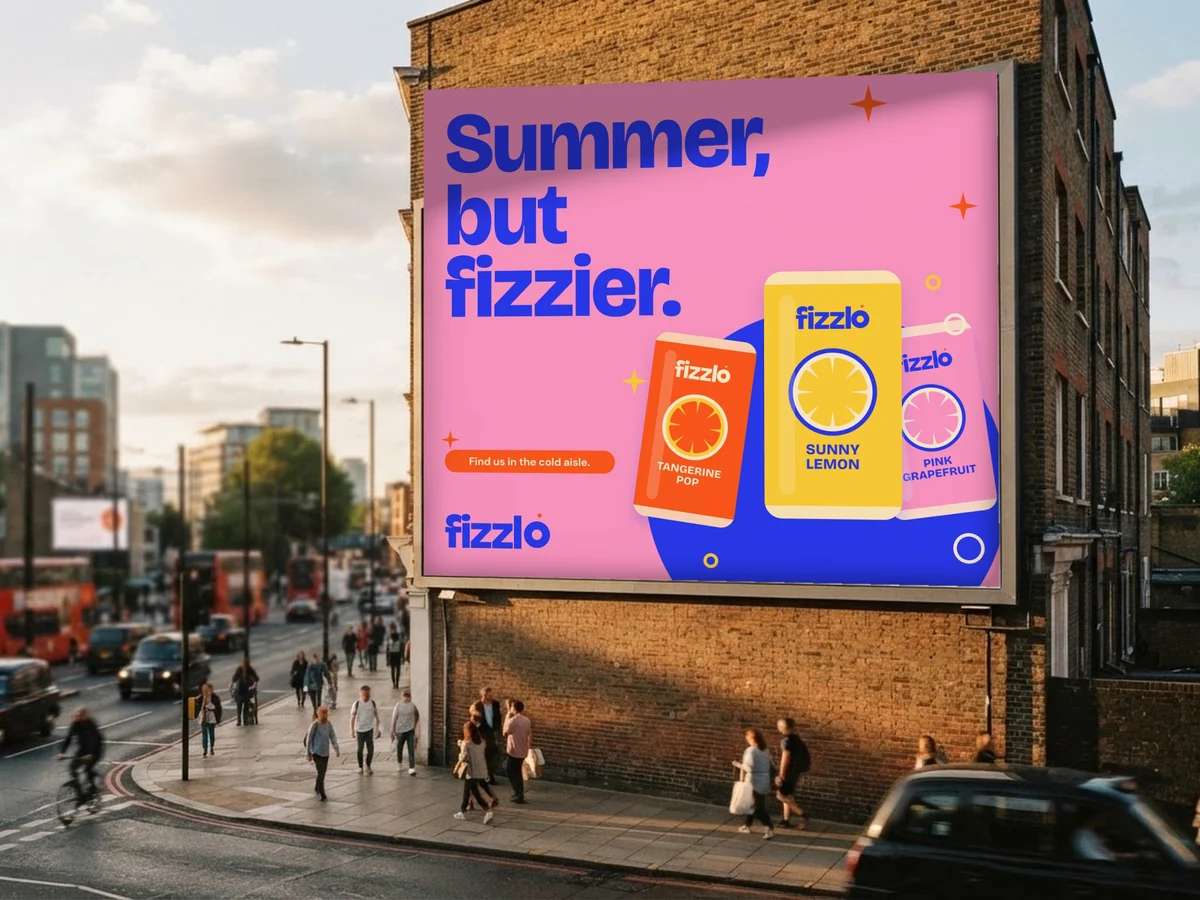
billboard.pdf 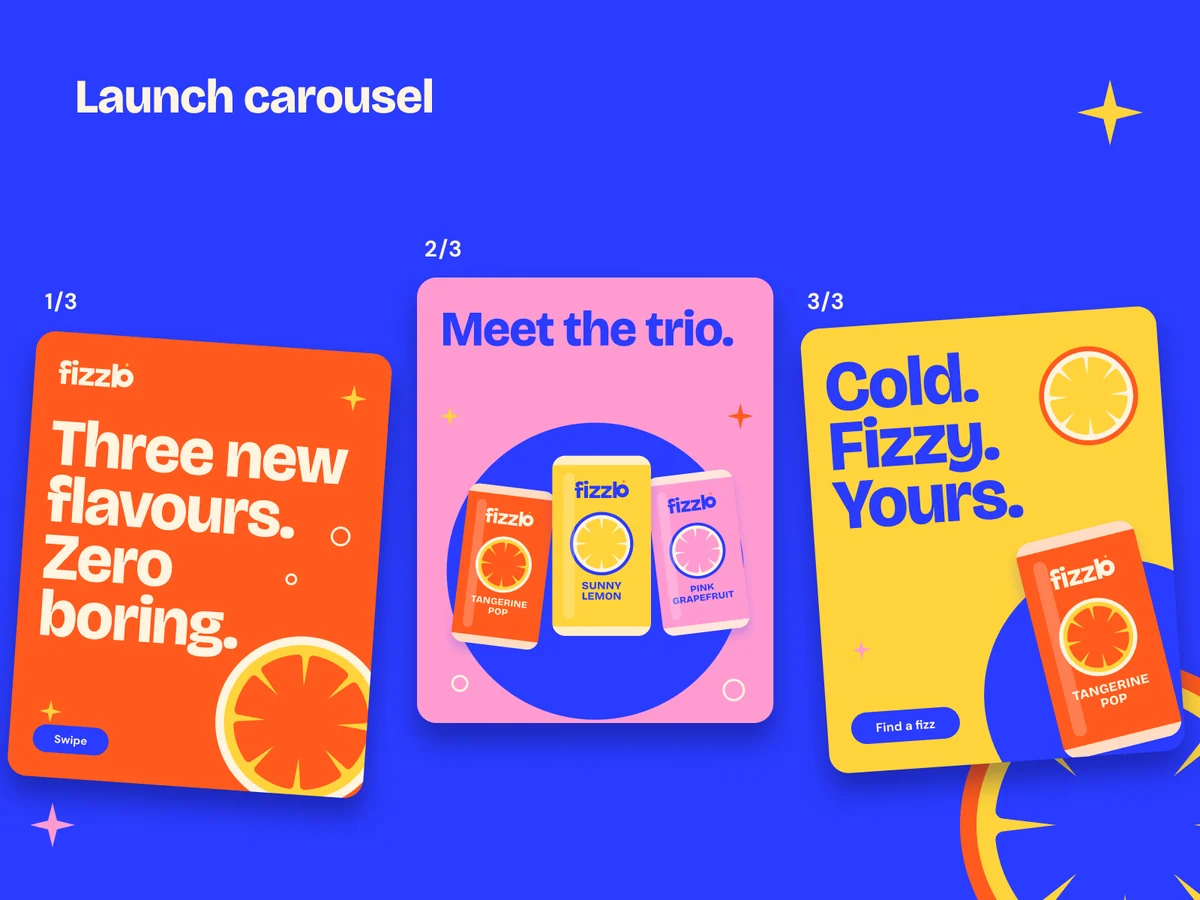
launch-carousel.fig Brand rule applied: flat colour, never a gradient.
✅ 1 -
D
Looks right. Approved, ship it. ✅
It removes production work. Not your team.
Your designers and marketers stop doing everything by hand and start directing and reviewing what the agent makes, and nothing goes live without someone on your side approving it first.
Our estimate: your team ships design work at least twice as fast, and with just one or two designers, often five times as fast or more. That's our own estimate, not a measured result, and we'll agree on the real measure with you before we start.
A person signs off. Every time.
Four weeks. First live result.
No vague timeline. Here's the actual flow. Worth saying upfront: we only start this with companies we're confident we can genuinely help, who move fast and actually want to work differently.

We learn your brand
We go through what you already have, guidelines, past work, your real site, and sit with your team to fill in what's missing.
The agent's first ruleset, written in plain language, for you to correct before anything gets designed.

First real outputs
We set the agent up and run it on one or two real surfaces, say a landing page and a few ad sizes.
Actual design output to react to, plus a short list of corrections, which we turn into permanent rules.

It gets sharper
We rebuild against your corrections and widen the scope to more of what you need.
Work that's ready to approve, from an agent that's already learned from round one.

It goes live
We publish gradually, with your approval at every step, and hand over how to keep it running day to day.
Live work in production, and a plan for keeping it current as your brand changes.
Questions people actually ask
CEO / Founder
You should, and your team will keep using them. Each of those tools only knows your brand inside itself: a Canva brand kit doesn't reach your Webflow site, and a Figma library doesn't reach your ad copy, so the same identity ends up drifting slightly differently in five places. This agent carries one version of your identity across all of them, and it does real work, not just drafts.
Most AI agent projects that get cancelled fail on cost, unclear value, or weak oversight, not the tech. We start with one narrow, specific job you can actually measure, and only expand once it's earned it.
Yes. We run this studio on AI agents, and a person signs off before anything reaches a client.
Price: we'll set that with you, based on scope. We won't quote a number we haven't agreed with you first. Our estimate: your team ships design work at least twice as fast, often five times as fast or more with just one or two designers. That's our own estimate, not a measured result, and we'll agree on the actual measure with you before we start. One honest note: we don't take on everyone. We only work with companies we're confident we can genuinely help, who move fast and want to lead with new ways of working.
All of it, where it counts. Nothing publishes without someone on your team approving it, and every step is logged.
We learn your brand, set the agent up, and you review its first real outputs before anything goes live. From there we go live gradually, at your pace, and keep it maintained as your brand changes.
Four weeks, start to a live first result. You'll see real output by week 2, and we go live gradually from week 4.
Access is scoped to each task, not handed over wholesale, and we design around the risks specific to AI agents, not just general software risks. Hosting and data terms get set with you directly before anything starts.
Head of Design
Generic is the default when an agent has no design context. That's true of every tool on the market, not just ours. This agent is built on your components and the thinking behind them, worked out with your team, not scraped once from a PDF. It'll still make mistakes, and every one becomes a rule it follows after.
No. It takes over production work; your team moves to direction and review. We won't promise headcount savings.
Your team, at set checkpoints. We also run a separate check for whether the work is distinctive, not just technically on-brand. A compliance pass alone doesn't catch "predictable."
Yes. It connects into the tools you already design in and uses your existing components and rules. If your system's thin or inconsistent, building it out properly comes first.
Your rules live in one place we maintain. Update it once, and the agent follows the update everywhere, instead of you fixing five tools separately.
Head of Marketing
Yes, within the scope we agree together. The point isn't raw volume, it's staying consistent at whatever volume you need.
They might, if it looks like generic AI, and a good share of consumers already say AI content has made brand quality worse. That's the argument for making it distinctive and reviewed, not a reason to skip it.
A named person on your team reviews and approves before anything ships, alongside automatic checks against your own rules.
Yes, within whatever scope we agree with you. The agent makes short video and motion too, like reels and ad cuts, with AI tools in your brand's style. Bigger productions, like shoots and long edits, go to our studio's video team.
CTO
Only the systems and actions we grant it for a specific task. Anything that publishes or changes something permanently needs a human's approval first.
Through each tool's own standard connection method, not some custom workaround we have to maintain ourselves.
We design against the known risk patterns specific to AI agents: an agent getting steered off its task, misusing a tool it's connected to, or acting with more access than it should have. Not just standard software security.
Every step it takes is logged, we test it against cases you agree on in advance, and we track review outcomes over time, not just accept it once and forget it.
Plenty of technical teams could handle the connections and the plumbing. What takes longer is writing and maintaining the brand knowledge underneath it properly, and staying accountable for keeping it current. That's the part we specialize in.
See it on your brand.
Book a call and show us what you've already got: your site, your brand guidelines if you have them, a couple of examples of what "off-brand" looks like when it happens. We'll tell you straight whether this fits, and what a first version would take.
We're picky about who we take on: we only work with companies we know we can actually help.